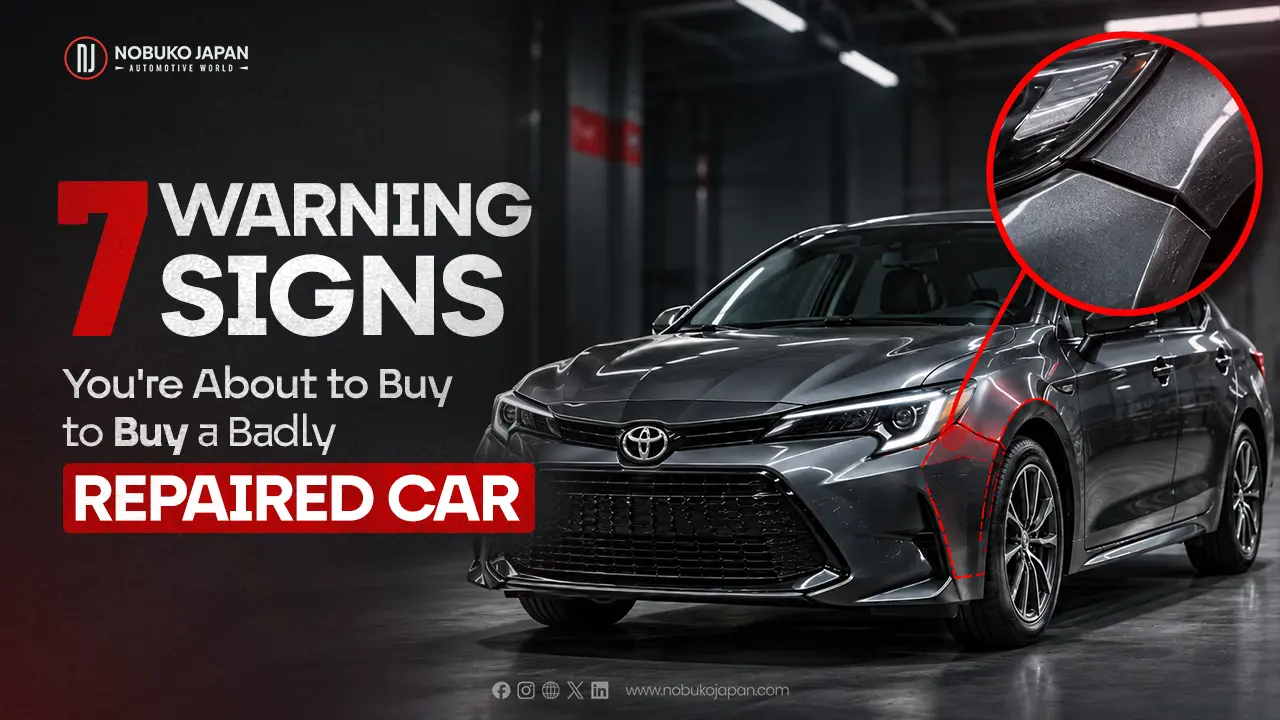
Everything seems perfect so far. The car is good-looking; the price is reasonable, and the person selling the vehicle seems honest. However, first appearances can be deceiving, especially if the car has undergone some repair work after a previous accident. Paintwork and cleaning of the car's body can cover a lot of things.
In the case of shoddy repair work, there might be visible results after just a few months. Sometimes, the seller might be unaware of the car's history. In either case, there is a risk of overspending considerably.
Below are seven warning signs of poor repair work that you should watch out for before buying a used car.
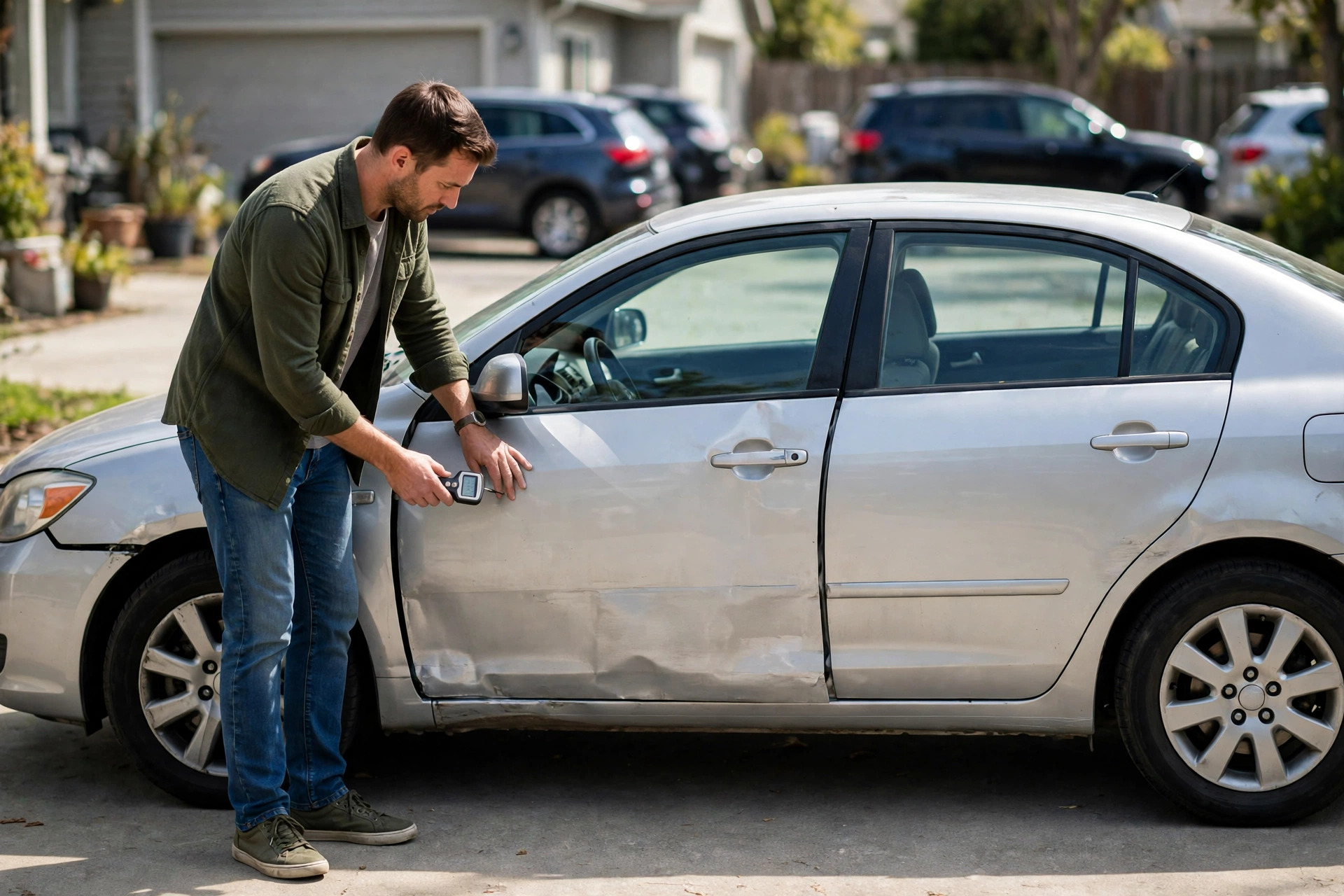
Showroom lighting is deceptive. Sunlight reveals everything. Go around the car in sunlight and observe each panel from all possible angles. The paint on factory cars is sprayed under controlled conditions, and therefore, the color, gloss, and finish of the paint will be the same throughout the car. In case of good repainting, the panel will be slightly different from the others.
Do not neglect any small details. Is one of the doors less glossy than the front fender? Is the bonnet painted with a different gloss? Does the bumper have a slightly different shade of color compared to other parts of the body? Such differences may not be significant, but they can indicate previous paintwork. You can also touch the panels with your hand. Some repainted panels will feel rough and uneven, almost like the texture of an orange peel.
A rush job will always result in some paint stains appearing in places where they shouldn’t be. Open all the doors and examine the rubber gaskets around them. Have a look at the edges of the windows, plastic trims, and rubber gaskets surrounding the windscreen. There shouldn’t be any paint traces in these places. Any small paint stains or coloured dots indicate that the car has been repainted without due attention to detail.
Don’t neglect checking inside the engine bay and trunk area. Examine the edges of doors and fenders too. The paint shouldn’t have a rough texture in these locations. If it does, then this means that the painter didn’t take off the other components before spraying the panel with paint. This doesn’t necessarily mean that the car had an accident, but it indicates poor quality of repairs anyway.
Take a closer look at the spaces surrounding the doors, bonnet, and boot. These gaps must be consistent on either side of the car. The spaces between the bonnet and fenders in the front must also look consistent on either side.
If you find any inconsistent gaps or if a door is found higher than its neighboring panel, there could be some past damage that was repaired. These situations are common when cars get involved in accidents or during improper replacement.
There is a way to test whether gaps are consistent. Pass your finger through the gap between the door and fender on either side. The gaps must feel similar on both sides.
Underneath the car, there are some aspects that will reveal some truth. Just take a look beneath your car and check out the frame and floors. The usual undercoating is evenly applied to the underside of the vehicle, and when one of its areas is shiny black while the rest is old and dust-covered, then there has been an effort to conceal some past damage. Inspect the frame rails and areas close to the suspension system as well. Usually, factory welding appears even, while big lumps and rough-looking welding can suggest an earlier accident.
Sometimes a car may appear to be in good condition inside, but there may be some water damage underneath the surface. For this reason, you need to check the interior before buying a car. Open the doors and smell the interior. A musty odor may indicate mold growth or water that penetrated the interior. Beware if the seller has tried to mask the odor using an air freshener.
Take off the floor mats and touch the carpets with your hand. They should be absolutely dry. Check the foot wells, trunk, and the area where the spare tire is located. Water could accumulate in these places without drawing attention. Also, pay attention to rust on the rails or metal fasteners of the seats. This may also indicate that water got into places in the interior that should normally remain dry.
Observe the dashboard when you turn the ignition key. Warning lights on the dashboard should blink on briefly and then turn off. This is inclusive of the airbag warning light.
If the airbag warning light remains lit, flashes, or doesn’t light up at all, you have reason to be wary of its functionality. There may be something wrong with the airbags since, in some poorly fixed cars, these warning lights are made not to function because of the fault that needs to be fixed or the fact that airbags have not been replaced.
Always request documentation concerning any repairs done on the airbags or airbag replacement. If there is no documentation at all, ensure that you get the airbags checked before you consider buying the car.
Do not think about buying a secondhand vehicle without taking a test drive first. You can learn much about the state of your potential purchase during a short drive.
Try to find a straight street and see whether the car drives in a straight line. If it constantly pulls either to the left or to the right, there might be some alignment problems. It may also indicate damage to the suspension system caused by an accident.
Remember to pay attention to the steering wheel and seats as well. Do you feel any shaking when driving? Are there any knocking sounds when driving over bumps? It may indicate some problems with the wheels, steering or suspension. Some issues are easy to fix, but others will require a lot of money.
Even if you check all seven signs, you might still miss hidden damage. Some problems are simply too difficult to spot without the right tools.
This is why getting the car checked by an independent mechanic is so important. A professional can put the car on a lift, check underneath and look for damage that you may not notice. They can also scan the car's computer for old fault codes, even if the warning lights are no longer showing. A paint thickness test can help them find areas that have been repainted or filled.
Yes, an inspection adds to your buying costs, but fixing a badly repaired car can cost much more. Do your own checks first, then get a mechanic to inspect it. If the seller refuses, think twice before buying.
Author Bio:
Our automotive team shares practical advice on buying used cars, vehicle inspections, maintenance and road safety. We help readers spot potential problems and make more informed decisions when choosing their next vehicle.
Disclaimer:
This article provides general guidance on identifying signs of poor car repairs. Visible warning signs do not always confirm accident damage. Always arrange an independent professional inspection before purchasing a used vehicle.
For Latest updates

The Japanese car auction market is continuously evolving with time. They offer buyers worldwide acce...

Japanese brands are the smart choice when you need a reliable car. In fact, companies like Toyota an...

Cost Breakdown of Importing a VehicleThinking about importing a car? Then you're at the right place....
.webp)
Why the Toyota Alphard is Gaining Popularity in the UKThe Toyota Alphard car has literally taken the...
Check out other articles related to Market trend.